Maybe We Shouldn’t Celebrate People’s Deaths
Are we crying out for justice so that God might reveal himself to a broken world? Or do we just want to look righteous on social media?

Are we crying out for justice so that God might reveal himself to a broken world? Or do we just want to look righteous on social media?
God’s freedom rooted in constraints gives peace to His followers and hope to those outside the Church looking in.

We’ve become a tribal people because our environment has become one based on deception.
We have our own agents provocateur who manipulate the impressionable to turn neighbor against neighbor, sowing seeds of suspicion and division with lies and conspiracies.

To those tempted to take a tragic view this election season, I would counter that the Christian vision of reality is in fact a comic one.

It’s easy to sneer at celebrity pastors who traded key moral convictions for political power, but it’s hard to watch those we love do the same.

Like Paul in Dune, we can fall into the trap of moral expediency—the temptation to care more about winning than about holiness and humble service.

The backlash against O’Reilly’s 2004 fabrication of “The War on Christmas” was as swift as his declaration of it to exist.

Listen to Erin’s full interview with Alan Noble in this special members-only bonus episode!

Jesus and John Wayne is history as confession, history as lament, a type of history that hopes in a God who never puts us to shame, even as hope in America does.

Can we continue to find beauty and truth in art created by human beings who’ve done terrible things, and if so, how?

The Church has a profound gift for a world hungry for true authenticity: consistent convictions about truth.

There’s a long history that’s given us the expectation that our politics should entertain us.

To many, the world of The Handmaid’s Tale looks eerily similar to our contemporary moment.

The Church will have the most robust and faithful engagement with our fallen world when we break out of the echo chamber.

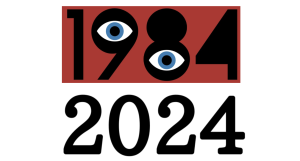
This is what 1984 can offer us: a fuller picture and vocabulary to articulate the brokenness beneath our apathy, fear, and information overload.