Oppenheimer: The Burden of Guilt and the Limits of the Immanent Frame
Oppenheimer was looking for more than assurances of a peaceful, weapons-free future. He was looking for absolution.

Oppenheimer was looking for more than assurances of a peaceful, weapons-free future. He was looking for absolution.

If Steve was wrong about Bucky, then it means all the hard work of amending for his former murderous self has been a waste. And it’s only a matter of time before Bucky snaps again.

When the villains are the most compelling part of your story, then the story ultimately becomes all about villainy.
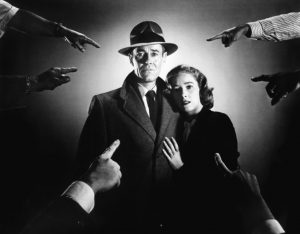
For Hitchcock, innocence and guilt were perhaps not always as far apart as they might appear.

What do we do with our imperfect virtue, our guilt, our pathetic attempts at love?

What would happen if our New Year’s resolutions were aimed at being better stewards rather than better saviors?
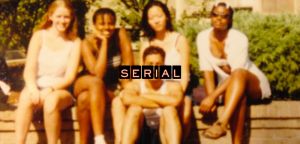
Guilty or not guilty. It’s the crux of the matter. It’s why five million (and counting) listeners of the Serial podcast anxiously await each new installment.