Spiritual Oneupmanship and the Dangers of Digital Discipleship
The way we speak to others is just as important as the beliefs and ideas we hold.

The way we speak to others is just as important as the beliefs and ideas we hold.

Are we crying out for justice so that God might reveal himself to a broken world? Or do we just want to look righteous on social media?
The shock of something outside our own narrow range of experience is a much-needed spiritual tonic for all of us today.

If our takeaway from The Substance is yet another lament about Hollywood’s impossible beauty standards for women, then we’ve let ourselves off the hook.

Lorne Michaels was confident of the foundation of SNL even if he couldn’t distill it into a palatable premise or a memorable meme.

What we choose to share on Instagram shows the world what we value.

Neutrality towards technology isn’t as good as enthusiasm, of course, but it’s much better than allowing the seeds of skepticism to grow.

If Twitter and Facebook and Reddit and TikTok and whatever else is out there have anything in common, it’s obsession. And that’s what Moby Dick is all about.

We tinker and work slavishly as Dr. Frankenstein did, assembling our online creations with the parts we gather from various sources.
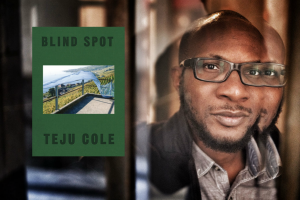
Social media trains us to reduce living, breathing human beings to brands and stereotypes, but Teju Cole resists.

With all the talking happening in the world today, you might think it best to keep your own thoughts and words to yourself. But would society be better served by silence?

Gen Z stumbled into social media blindly, but now we’re tasked with the responsibility of making sure that everything what happened to us doesn’t happen to our own kids.

Balancing compassion with firmness, Khang leads her readers through the current morass of social media, and offers a thoughtful and constructive way forward for those who want to do more than seethe on the sidelines.

Erin Straza and Hannah Anderson invite Professor and CaPC EiC Alan Noble to the conversation to sort out the issue on how our social discourse may be loud, it is rarely effective in advancing understanding or reducing conflict.

Social media often ends up being a way for us to broadcast ourselves (or some moderated version of ourselves). But if everyone is talking, then who is listening?

When we were just children, Mister Rogers gave us the tools we would need to combat the loneliness and isolation we would face as adults in the digital era.