The Book of Boba Fett Recap: Who’s the Boss? (Episodes 1 & 2)
Maybe this boss in a galaxy far, far away will actually get it right where others got it wrong.

Maybe this boss in a galaxy far, far away will actually get it right where others got it wrong.

We’ve had to do what we’ve had to do, which meant saying goodbye, for a time, to the good things—even some of the sacred things—in order to survive.

This episode did for Boba Fett what Rogue One did for Darth Vader.

My favorite idea of any Star War is when that dusty old Jedi teaching is shredded and burned to the ground.

And so it came to pass that in one fell swoop, the showrunners connected The Mandalorian to the worst ideas of the prequel and sequel trilogies.

Even if your inward-facing, self-replicating church—or Mandalorian group, for that matter—never becomes a cult, in my experience, it can (and does) start to get weird.

Look, I’m not a youth pastor, but if I were, I would tell you teens that just as the wages of sin is death, the wages of eating a Frog Lady’s eggs means getting eaten alive by a thousand baby space spiders.

But The Mandalorian also really really wants to delight and tickle its Star Wars fanbase. To a fault.
Formulas are not the problem with The Rise of Skywalker, but we might say lack of formulaic vision for the whole trilogy.

Wade and Kevin visit a galaxy far, far away to review The Rise of Skywalker. Then the duo comes back to earth to examine Clint Eastwood’s Richard Jewel.
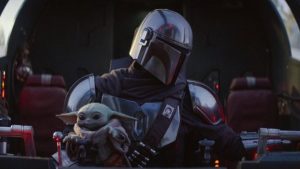
Stories that follow patterns like this show us that no one is really nonessential—they give us a sense that although the world is big, every person is important, no matter their birth, status, role, or function.

Through stories and storytelling, we ask and examine the most basic questions about our humanity—about our loves, history, religion, philosophies, and more.

There’s an insatiable appetite behind this ever-increasing desire for deeper escape and stories that never end.

In CAPC Jr., significant children in the lives of our writers pass on their own unique insights into some of their favorite cultural artifacts.

Solo: A Star Wars Story edifies not only the existing Star Wars canon, but it injects new meaning into the life and storyline of Han Solo.
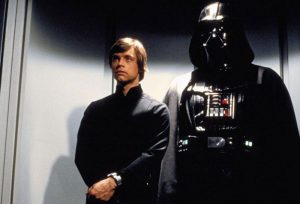
At the end of Return of the Jedi, for a moment, Luke embodies a balance, not between darkness and light, but between mercy and justice.