Outrageous Offense: ‘Pillars of Eternity’ and the Possibility of Grace
The backlash against crowd-funded ‘Pillars of Eternity’ highlights the hyper-critical nature of our age.
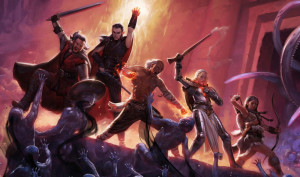
The backlash against crowd-funded ‘Pillars of Eternity’ highlights the hyper-critical nature of our age.

Twitter is the closest we’ve ever been to having a window into other people’s brains. And there’s the rub: our brains are terrible, horrifying places.


Playful criticism that mirrors Migos’ tone seems to have completely supplanted any measured response to their disturbing posture toward women.

Could post-mortem tweets reshape how we remember the deceased?

Christians seem to have a disconnect between what holiness looks like in everyday life and what it looks like online.


The story ‘The Twible’ tells is sarcastic and angry and sometimes really ugly—and, in the end, beautiful.

Sure, the guy and girl tagging is shallow and lustful. But can believers come up with better responses than shaking a finger?
Let’s be careful how we judge the “racism level” of the United States based on a small slice of Twitter.

“After reading the Huffington Post piece, your first reaction might be to scoff at Casey’s selfishness and narcissism, or to take steps to ensure that your kids never find out about social media.”
“Both Oswalt and Rhodes showed a part of their own fears and insecurities on Twitter; so too did their followers, supporters, defenders, and dismissers.”
In scenes like that, and thousands of others, women are taught, “This is what you need to be. It doesn’t matter that Dr. Marcus is a genius or has developed a good, moral character, she looks like that in black underwear.”

The public at large does not need to know about your specific sinfulness.