Where the Frontier Meets the Galaxy: The Western Genre and the Moral Imagination of Star Wars
Both the Western and Star Wars imagine a world where character must be forged and not assumed, where goodness is real, but never cheap.
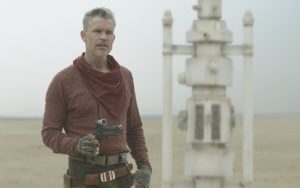
Both the Western and Star Wars imagine a world where character must be forged and not assumed, where goodness is real, but never cheap.

OneRepublic’s song joins the chorus of voices throughout history which have mourned the perplexing human condition.

We don’t have any stories of heroes without heroes in real life.

The Mysterious Benedict Society episode “A Whisper, Not a Shout” shares with its source material an emphasis on the importance of small, seemingly insignificant acts.
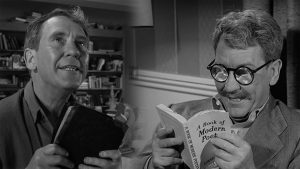
The Twilight Zone points us toward reading not just as a recreational pastime but as a possible site for the cultivation of virtue.

As Nog on Star Trek: Deep Space Nine, Aron Eisenberg reminded viewers that strength of character can be found in the unlikeliest of places.

As our only means of consuming entertainment, [binging] may turn us into fevered people impoverished for art that satisfies as only the True, the Beautiful, and the Good can.
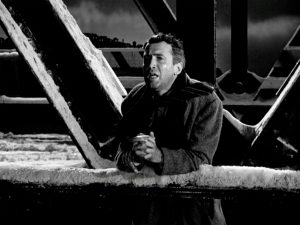
If we’re not willing to give of ourselves for the communities in which God has placed us, what will be the cost of the absence of our virtue?

The great thinkers of the Mediterranean have already identified the seven virtues and how you can acquire them! It doesn’t get much easier than that.

Disney’s Beauty and the Beast is a fairy tale that self-consciously meditates on the role fairy tales play in the development of character.

Our culture is drowning in morals but starved for virtues—we all think no one has the right to judge us, but we all reserve the right to judge everyone else.