
Jul 24, 2026
Private Sins Made Public: ‘American Horror Story’ and the Hotel of the Fallen Man

If you stop and think about it, hotels are kind of disturbing.
As a child, I was always unsettled when, after leaving my family’s hotel room with rumpled sheets and wet towels, we’d come back later with everything new and pressed and laundered. The fact that someone I didn’t know was allowed access to the room where my family and I slept was frightening. And, as we all know, nobody ever takes children seriously in a horror movie.
The Hotel Cortez harbors a dark mass of sordid secrets that teems with sin and suffering.Thankfully, I had discerning parents who never took their children to seedy roadside motels or places that gave off a bad vibe. Perhaps it was their upbringing to be choosy about where they brought their business. Perhaps it was the multitude of horror movies from the 1960s onward that warned of the terror hotels could present the hapless vacationer. (Bates Motel ring any bells?) More than that, though, hotels are disturbing in that they’re a sort of oxymoron—a public home, a temporary home. It’s the unnatural marriage of public and private.
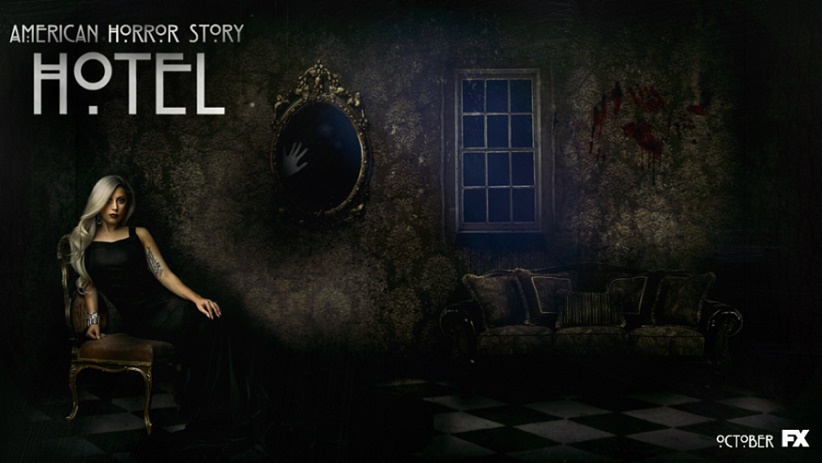
This jarring yet familiar institution serves as the setting for the latest incarnation of Ryan Murphy’s horror drama American Horror Story, where the events take place in the creepy, art-deco-styled Hotel Cortez in Los Angeles. The season features the typical supernatural elements, such as ghosts and vampires (it was only a matter of time), as well as more realistic horrors that are more unsettling than a bloodsucking Lady Gaga.
This plot line in particular takes a page out of the first season, which was set in an American’s most intimate setting, the home. A hotel, as I’ve said, is a type of home, though considerably less private. And therein lies the basis for the horror this season. More than ghosts and vampires, the closer-to-home horrors of drug use, suffocating parents, abandonment, divorce, sexuality, and serial killing all stalk the halls. These normally private affairs lurk just behind the numbered doors, vaguely overheard through the walls.
The main protagonist this season is John Lowe, a detective who appears, so far, to be a loving and devoted father. To a Christian viewer, he’s someone to be commended for being a man of justice, who works hard while also placing his family as his highest priority. A scene where he prefers to read Little Women to his daughter over video chat instead of taking a work call is particularly sweet in a campy Hollywood way. As the episodes progress, however, he ends up checking into the haunted hotel in order to distance himself from his family, who he fears will be in danger from a serial killer he’s tracking down. The residents of the Cortez, both living and dead, soon begin to worm their way into his mind and start to darken his previously spotless image in the eyes of the audience, disturbing him mentally and tempting him to relinquish the ordered control he has over his life. In the vein of Proverbs 25:26, Lowe begins to fall prey to the wicked people who haunt the hotel, especially after he’s served divorce papers by his wife, who hasn’t found peace since their son was abducted in previous years.
This family dynamic reflects the blurring of public and private that is the theme of this season. The season’s plotline darts around to various characters whose private suffering becomes public business due to the very nature of the hotel. Without giving too much away, I can say that the knowledge of these personal sins serves as opportunity or even mere entertainment to the more monstrous residents of the Cortez, including Sarah Paulson’s character Hypodermic Sally. She is seen repeatedly asking characters to “move me with your tears” and as a ghost is continually present for and party to traumatic moments. Lady Gaga’s character, the vampiric penthouse dweller, often makes people’s private affairs her own and exploits them in order to sustain herself, in many bloody and deadly ways. The very hotel building itself was constructed as a way to disguise the owner’s horrific secret of serial murder, and, when this secret is made public, it results in a gruesome double-suicide. Ghosts and the sins of people who have become ghosts are a prominent theme in the show’s first season, but this time the dynamic is taken further, as private blemishes of fallen humanity leak out into the public eye.
At home, private sins and sufferings stay private. You control who comes and goes, and, to a degree, you control how much privacy you get. The horrific thing about a hotel is that it’s a setting meant for privacy and yet it’s not private at all. People expect safety and security from a place they sleep in, but a hotel at its core provides neither. Worse than that, evil deeds uncovered in a hotel are subject to discovery by untrustworthy people. It’s this central message that Murphy explores from his secular viewpoint, and it’s this message that Christians can get behind. It’s an old adage that what’s done in the dark will come to the light, that the sordid things people do eventually get found out; and the Hotel Cortez harbors a dark mass of sordid secrets that teems with sin and suffering. These more often than not take the forms of ghosts that haunt the living characters in more ways than one. On the other hand, the light is just as horrifying, for secrets represent another threat to many characters in the show, who act to keep them hidden.
The crossroads of public and private and the secrets that play a crucial role at that crossroads drive the plot this season. It’s horrifying because people who keep secrets (i.e., all of us) don’t want to be in a position where these secrets are found out, where old sins haunt our halls, and where suffering lingers like an old stain that won’t wash out. As campy and cliché as Murphy’s horror can get, it’s a sobering caricature of how truly sinister a fallen world can be, and how perilous it can be for the righteous to delve into that world, at the risk of becoming corrupted themselves. There are still secrets that remain shrouded in darkness this season, and their discovery will only make things more uncomfortable for both the characters and the audience. If a Christian is to take anything from this combination of horror both monstrous and moral, it’s that we should be aware of how we conduct yourself when we think nobody is watching.

Editor Picks




Recent Columns


Recent Podcasts

Jan 31, 2024
The Scandal of Reading 37 | Tiffany Kriner on Louise Erdrich’s LaRose

Jan 24, 2024
The Scandal of Reading 36 | Winn Collier on Wendell Berry’s Jayber Crow

Jan 10, 2024
The Scandal of Reading 35 | Lit Pulpit – The Moviegoer by Walker Percy

Dec 13, 2023
The Scandal of Reading 34 | Daniel Nayeri on Calvin and Hobbes by Bill Watterson

Dec 6, 2023